

This adventure started with a woman. Her name was Ann. It was 1983 and we had met at a neighborhood tavern where she worked as a bartender. She was young, mid twenties to my early thirties, pretty, dirty blonde hair and adventurous. We were a couple of months into a summer fling when she announced an up coming trip to Belize. Ann and a handful of her fellow students were to assist their professor, for two months, in an archeological dig In the mangroves of Belize. We talked for several hours and after a few tequilas, judgement happily changed places with passion and she suggested, “Why don’t you join me there and we’ll make love on a blanket on a beach, under the stars.”
The expedition would be in Placentia, a long, narrow peninsula that ran along the southern shore of the country, in the Caribbean Sea. According to Ann, the only way to get there on the cheap, was to fly to Belize City, take a cab to Mother’s Bar and catch the bus south to the town of Independence in the Stann Creek District. From Independence, I’d have to pay a local fisherman for a boat ride to the Village of Placencia. We spoke of it a few times over her remaining days and then she was gone.
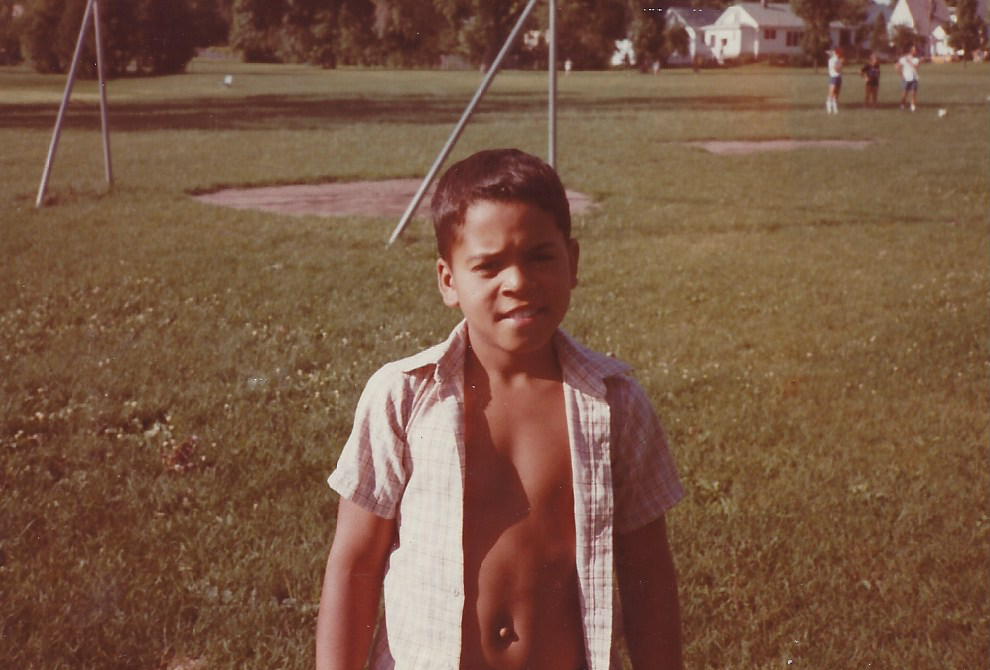
A couple of weeks later, I was talking to my sister, Shelley, in New York City, about the trip and I asked her if her son, Ian, might want to go along. He was 10 and his school started in about a month. He would have to miss the first two weeks of classes to join me for the six week trip. Shelley spoke with his teacher and it was agreed that he could go without penalty if he kept a daily diary and read it to the class on his return.

I flew to New York and Ian and I left together. Our first stop was Toncontin Airport in Tegucigalpa, Honduras. The jet barely cleared the mountain tops surrounding the airport when it suddenly went into a vertical dive pulling up at the last second to land on the shortest airstrip I’d ever seen. I’d flown in C130 transport planes that could and did land on anything and anywhere but this was something new. Walking away from that, we boarded a medium sized prop plane for the short hop to Belize International Airport in Belize City.

The airport in Belize had a long, wide, runway that had been built during World War ll for defense of the area by the US and British Air Forces. The airport had been called, “the best defended airport in Central America” by a US general and lining the runway, on both sides, were the remains of fighting positions with the mounts for 50 caliber machine guns still there.
Belize had been a British colony, British Honduras, until their independence in 1981. The official language was English but there were many languages and dialects spoken. Just before our arrival, a new, US friendly, president had been elected and almost immediately, Coca Cola, bought ten percent of the country to plant citrus groves. Coincidently, the government announced it was going to upgrade and build new roads and was going to spend an enormous amount of taxpayer money to do so.
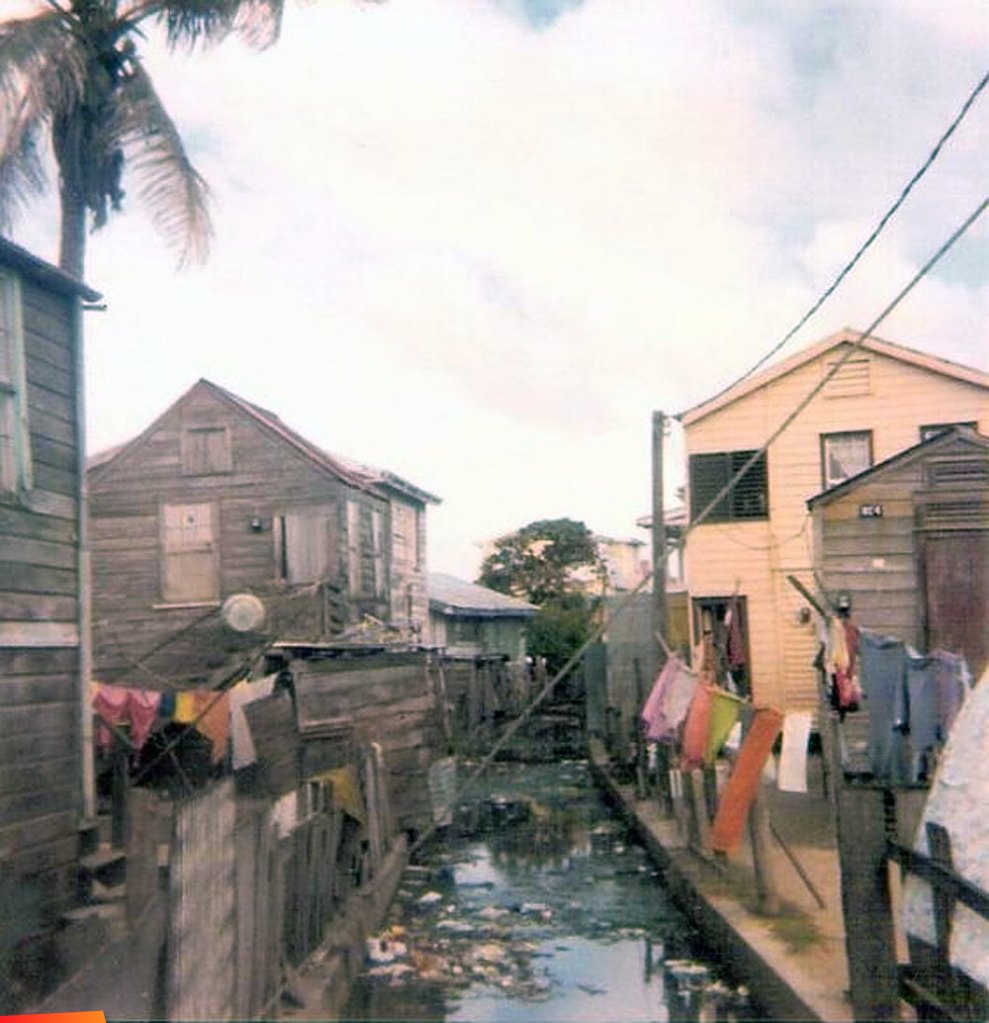
Outside the terminal, somebody’s rust bucket was posing as a cab. Ian and I got in and it took us to Mother’s Bar. I was hoping for a lively tavern like the bar in the Marquis Hotel with Cricket at the keys and Eddie going on about some bee. Mother’s was a shabby, run down, dank joint with no customers and one disinterested bartender. I asked the bartender if Mother was somewhere about and he replied, “Don’t know no Mother. What do you want to drink?”. After I spent a little money, I asked about the bus to Independence and he said there used to be one but it had broken down somewhere, a while back. I asked about hiring a car but he cautioned about the possibility of being robbed by our driver, in the middle of the jungle. Our best bet was to wait for the mayor of Independence who came to Belize City for supplies for a store he owned. He had a pickup truck and would take passengers in the back, if he had any room left. I asked when he might be here next. The bartender laughed and said, “Tomorrow is his usual day but he’s on Belize time so maybe tomorrow, maybe the next day or maybe next week”. He walked to the door and pointed at a patch of dirt a hundred meters up the road and told us to go stand there until he showed up. It was getting late in the afternoon and when I asked about accommodations, he directed us to a house across the street with a hand painted sign reading, “room for rent.” It was an ugly, little room with two cots but we could rent it for a night or two or three and we took it. The following day, we stood in the patch of dirt, the hours passing slowly until giving up at sundown. We rented our room for another night. Near noon of the second day, a pickup truck pulled up to our dirt patch and asked if we wanted to go south. I told him Independence and he told me $10 per person. We threw our gear in the back of the pickup and jumped in with it.
The barely paved, one lane, road wound like a snake over rolling hills and through the jungle. The road was an endless series of pot holes and wash outs, making the 135 km trip to Independence take many hours. Occasionally, the mayor would stop and we would relieve ourselves on the roadside. When we encountered vehicles coming north, somebody had to back up until a spot could be found where we could pass one another.
We arrived in Independence just before sundown. It had a gas station, a two story, wood framed hotel, a Chinese restaurant and the mayor’s general store. We got a room in the hotel, a beauty from around the turn of the century and had dinner, next door, at the Chinese restaurant. We were the only diners. Early the next morning, we walked to the docks, a mile or two away and talked a fisherman into taking us to Placencia Village for twenty dollars. It was a calm ride to the other side, the peninsula providing shelter from the Caribbean Sea.

Placencia Village was a short walk from where the fisherman docked his boat. It was a tiny spit of land and as we found out later, everyone knew and was related to everyone else. The first person I ran into told me where to find the Americans on the dig. Their professor had hired several local men at a good rate and everybody knew about it. They were staying at a series of stilt huts built mostly of bamboo and thatch, right on the beach. Ann had said I could pay a nominal fee, probably in beer and bunk in with the students. I was quite sure Ian would be welcome too.
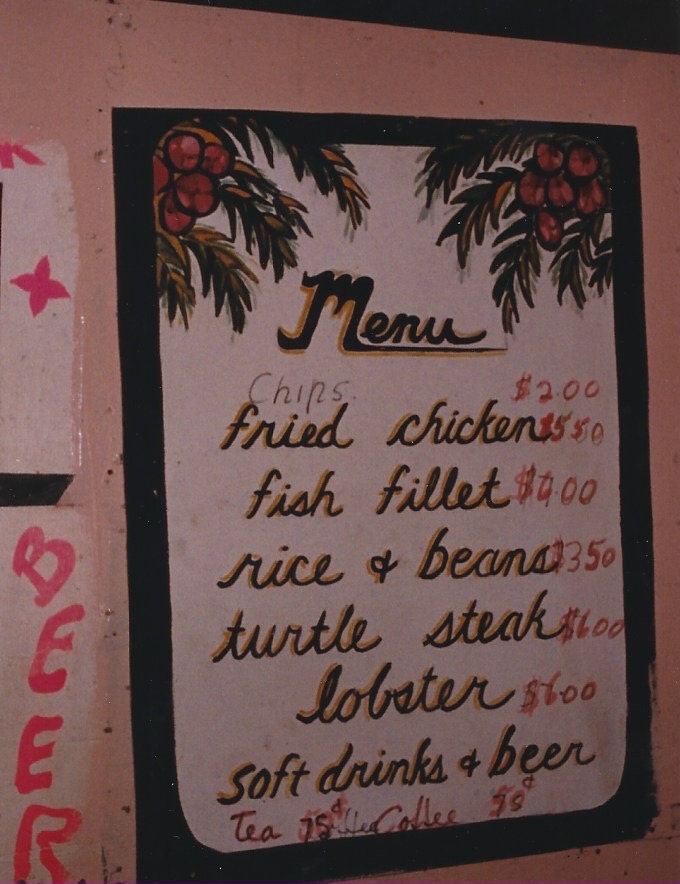
The college kids were all out for the day on a dig and Ian and I spent a few hours exploring the tiny village. There was one restaurant owned by a heavy set, middle aged woman, we found sitting at one of her outdoor tables. I asked her if we could order food and she said she wasn’t open today. Ian asked if he could at least buy a soda, as it was the tropics and we’d been moving around for some time. She went inside for a while and came back with two sodas and a steaming plate of conch fritters and rice. We asked her to join us and she listened to our story, laughing at our ride with the mayor, who happened to be her cousin. It turned out, our host, Momma Elaine, was the patriarch of the village. Her word was law and you could wind up being shunned, shamed and shit out of luck if you did something Momma didn’t like. I liked her immediately and she, us. We became regulars at Momma’s and never tired of her conch fritters.
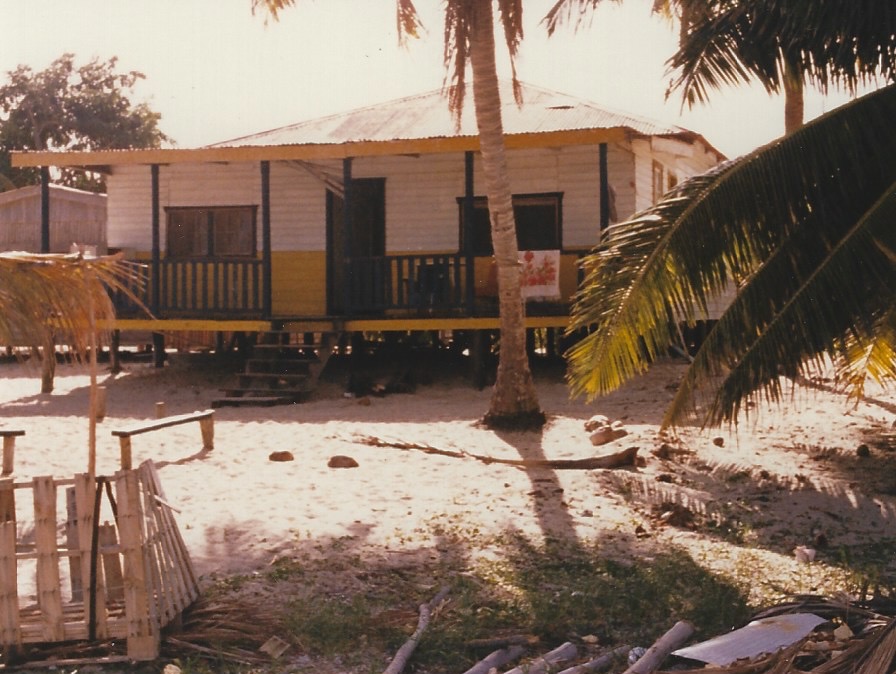
We went back to the American’s quarters at about the time when they were to return. They pulled up in two boats that they ran up onto the sand. Ann got off the second boat. The village heart throb got off with her, put his arm around her and they walked together up to where we were seated. Ann looked up and was astonished to see me here. Her face turned bright red and all I heard was, “Holy shit”. I introduced myself and Ian to Ann’s new beau and said we were friends from back home. After an uncomfortable stretch, Ian and I went back to Momma Elaine and asked if she knew of a place to stay. She said their tiny village was filled up but since it was an emergency, she’d rent us the abandoned, British Air Force barracks. It had cold, running water, electricity when everyone else had it, several bunks and a roof that didn’t leak, for the most part. Oddly, it had flush toilets that still worked. I said we’ll take it.
The British Air Force had pulled out of Placencia and Belize a few years before and the barracks had been left to the ravages of the tropics. The first night, we had to clear out the spiders, some of which were the size of a woman’s fist. The blankets were too far gone with mildew to be of any use but it was a warm night and we got thru it. The next morning, over breakfast at Momma’s place, I mentioned the blankets and she sent a young man around to collect them. He returned near sunset with washed, dried and mildew free, blankets. We now had all we needed.

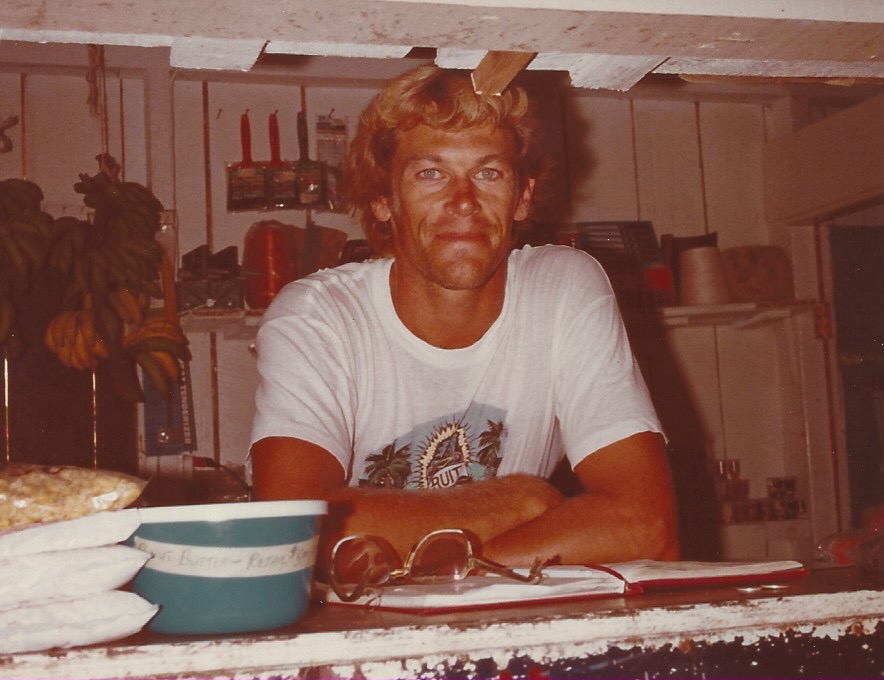
There was one permanent expat couple in the village, Lucy and John and their two children, who owned Lucy’s, a small general store, library, and cheese shop. The Mennonites had a complex in the mainland near by and had developed a cheese that would keep without refrigeration and that’s what they sold at Lucy’s. It was wonderful, reminding me of a combination of Irish cheddar and Spanish Manchego. Ian loved it too and we had crackers and cheese and cheese and crackers and bread and cheese, when there was bread and cheese and cheese, when there wasn’t. Lucy’s had a library that consisted of a rack of paperbacks that we browsed often and for many hours. I think she charged five cents to rent a book for however long it took you. She had most of the James Bond novels. The giant spiders had spooked Ian and to help him fall off at night, I read them to him. I think the hyperbolic heroics of 007 helped him live with the bugs. Lucy and John were always happy to see us and made us feel very welcome. As a thank you, when I got back home, I put together a box of books including the missing Bond novels and sent it addressed only to Lucy and John, Placencia, Belize and it got to them She sent me a thank you note that arrived a few weeks later. I sometimes wonder if they’re still there and how they’re doing. Belize has turned into a built up, expensive, tourist destination and completely unrecognizable from when we were there. I wonder if Lucy’s survived the rapid development.
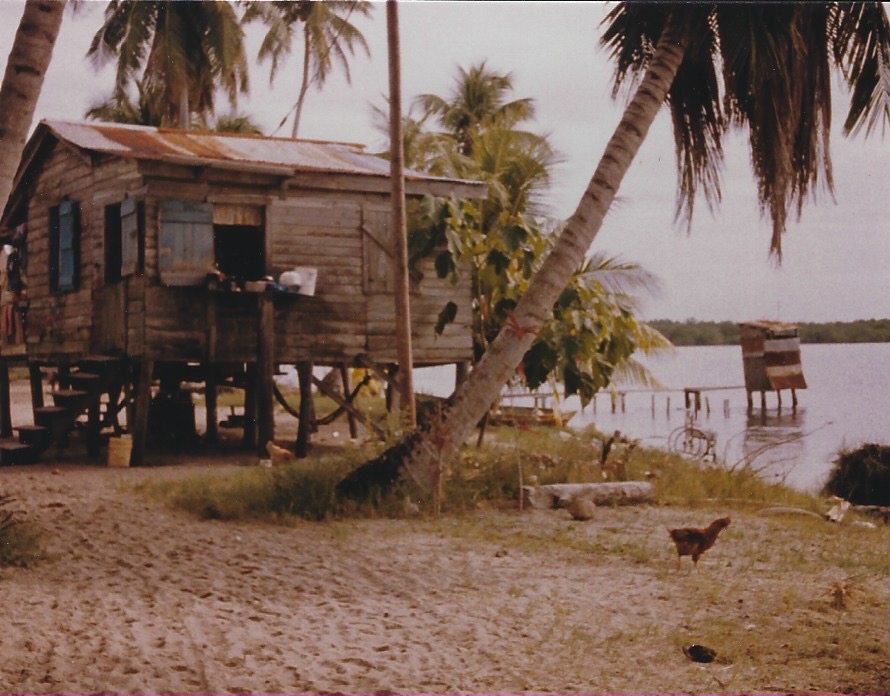

The homes in Placencia were built on the waterfront and made of clapboard siding, corrugated metal, bamboo, thatch and various other inexpensive building materials. They were built on stilts to help survive high storm surges during the fall hurricane seasons. It was a fishing village, without cars or official roads. The only thing referred to as a road, was a narrow sidewalk that ran through the village and up the length of the peninsula. Electricity was provided by a communally owned generator administered by Momma. At night, the lights came on when Momma turned the generator on and the lights went out when she went to bed. To all appearances, the villagers led a very modest life with few possessions except for the occasional $10,000 speed boat pulled up, on the sand, in front of several of the houses. I thought it best not to inquire about that.

Placencia was well known for having miles of beautiful coral reefs and we had brought our snorkeling gear. Ian had grown up in Madison, WI, an Isthmus with three lakes surrounding and permeating it. There were beaches everywhere and he’d learned to swim at a very early age. He moved to New York, as a little boy and returned to live with me summers for many years. When in town, I worked him like a farm hand, digging holes, mixing concrete and helping me load 6”x 6” timbers and when not exploiting him as child labor, we were at the beach and in the water.


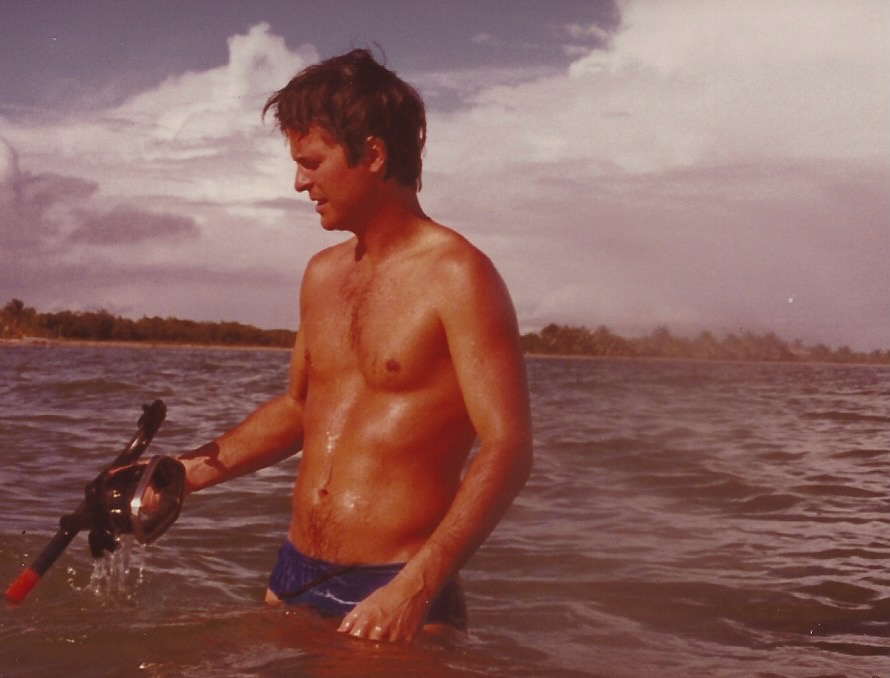
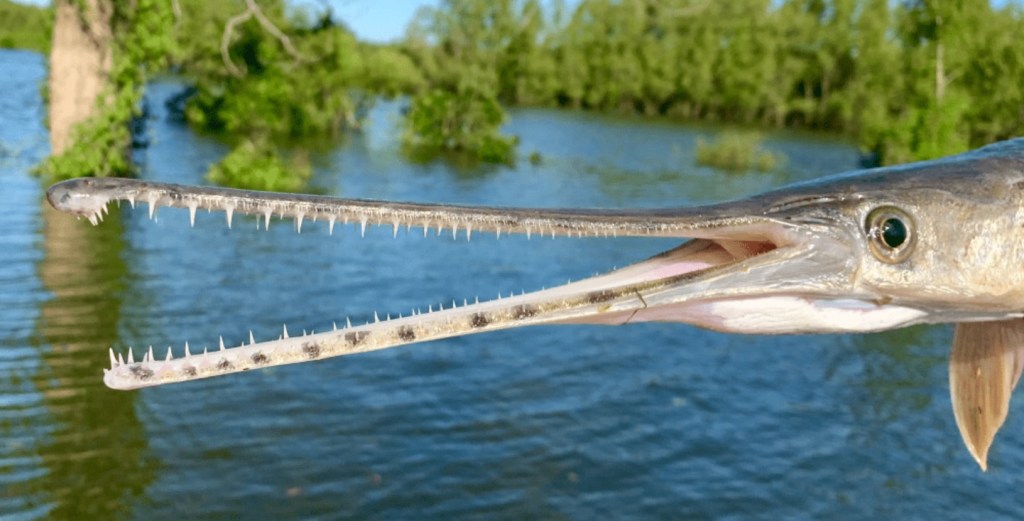
A few weeks into our stay, we decided to snorkel a reef in front of a large dock where the local fishermen unloaded their catch and kept their boats. It was easy to get to and we had heard it was one of the prettiest. I had brought diving knives for both of us and we strapped them onto our ankles, Mike Nelson style and swam out to the reef. We were out for about half an hour when we were suddenly surrounded by a large school of gar. They may have come in for the scraps the fishermen threw away after cleaning their catch. They’re an ugly, stupid fish, three to four feet in length, with long jaws and sharp teeth. They’ve been known to bite off a finger or a toe if it had something shiny on it like a ring. There were many dozens of the ugly bastards circling around us. I had a brief vision of my life on the lamb after dropping my sister’s son off, missing a part or two. We surfaced and I told Ian, “Pull your knife and we’ll swim in back to back”. We did just that, waving and poking the knives at their snouts if they got too close. We apparently drew the attention of the fishermen as they were waiting for us with applause and laughter as we hustled out of the water.

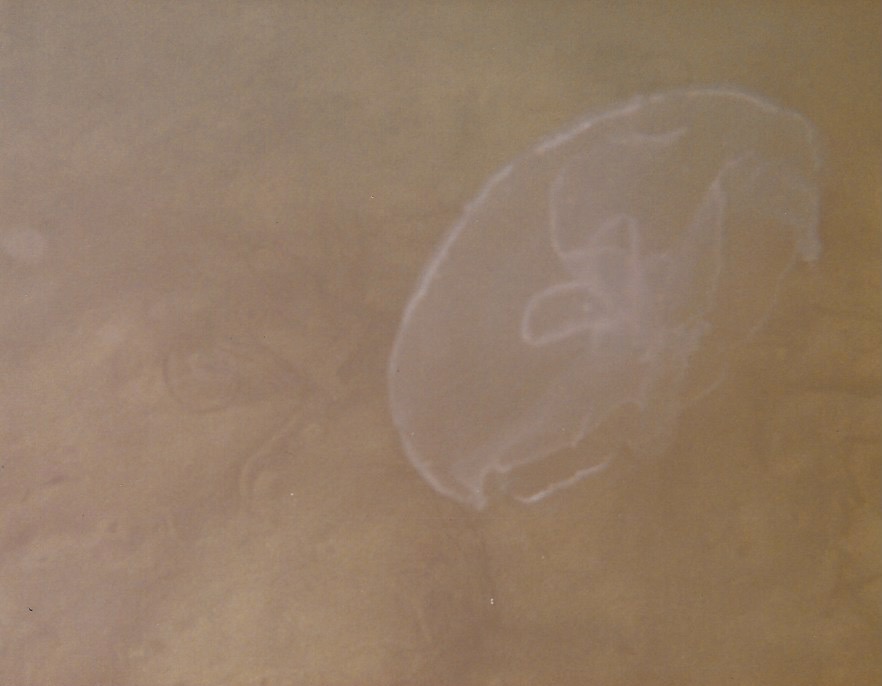
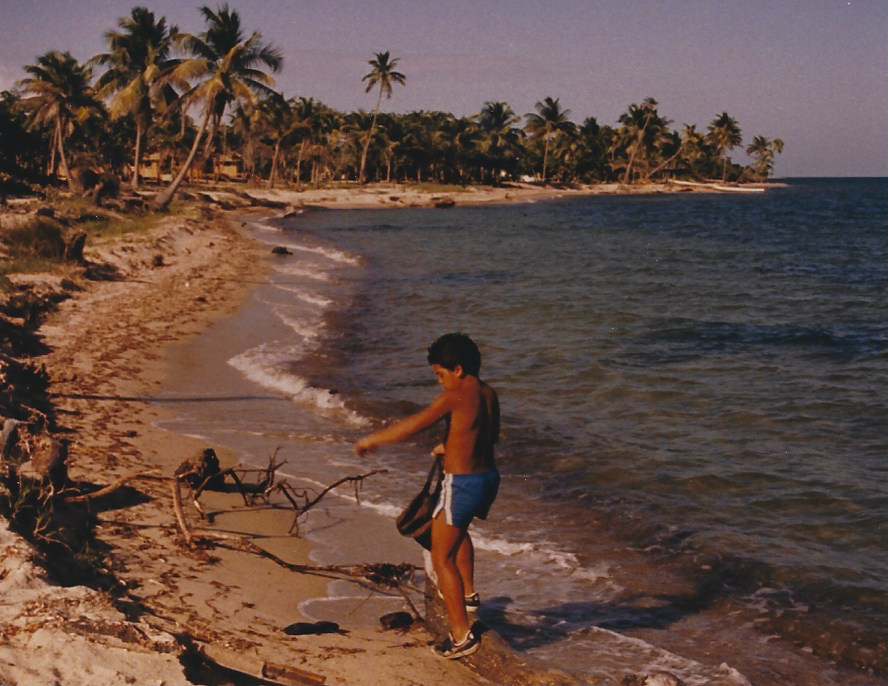
We went out again the next day but to a different reef. I had bought an underwater camera and we took turns taking photos with it. Ian was stung by a jelly fish that day and it must have hurt like Hell because he cried very briefly from the intense pain. I don’t know if he was embarrassed by the few tears but he endured the pain for the rest of our stay without further comment. When it happened, some idiot in the water next to us said it was best to pee on a jellyfish sting. I glanced over at Ian and he said, “Oh, Hell no”.

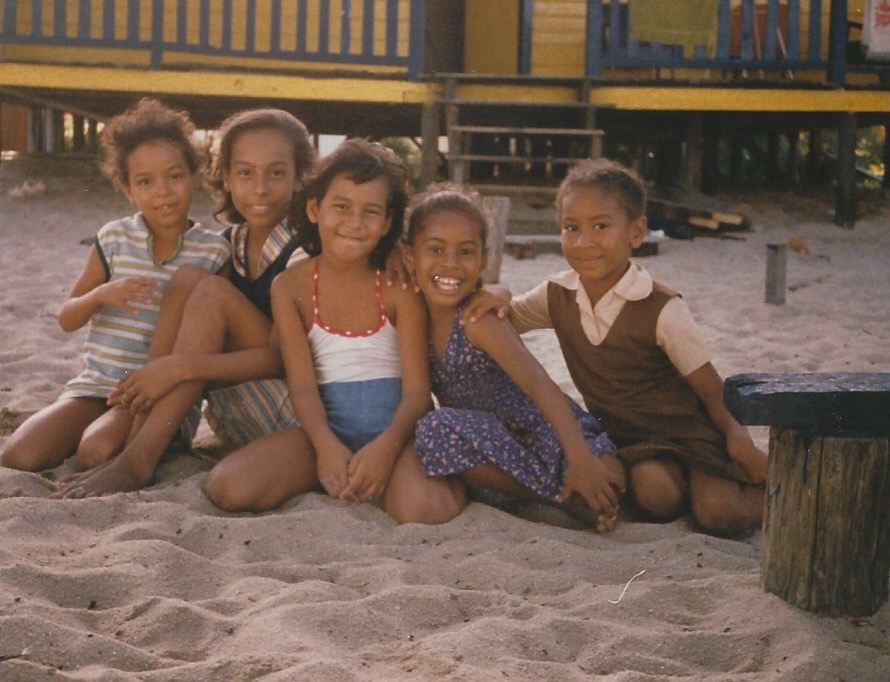
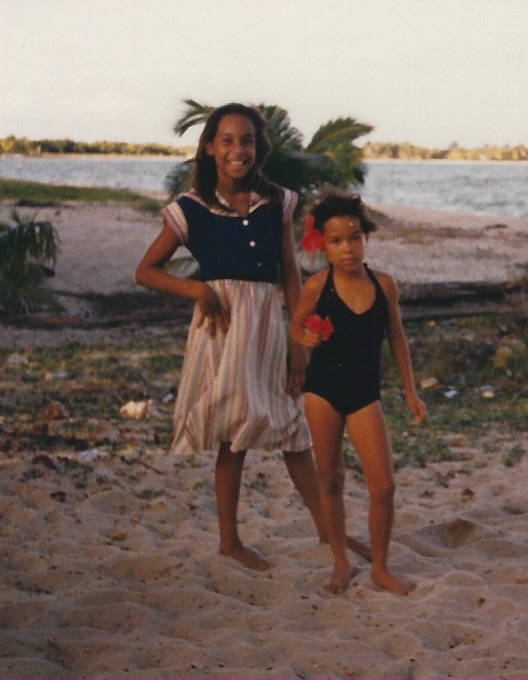
There were a number of children in the village and it didn’t take long for word to spread that an American kid was here, perhaps the first they’d seen. Ian started to chat it up with some of the boys and girls around his age who were very curious about him and his life. One day, he did a forward no hands flip and then did it again, backwards. The local kids had a moment, when nobody moved, then yelling, they surrounded him, demanding he do it again. Ian had taken years of gymnastics and had excelled at it. At one point, his teacher said it was time for him to find a better instructor, that she had taught him everything she knew. From then on, he was the go to guy for the kids. Every morning, they would park themselves outside our barracks and make noises to get Ian up and out there to do his thing. One day, one of the boys brought his 12 year old sister to meet the American kid. She was a tall, pretty, girl with long, black hair. Ian did his forward flip for her and then the backward version. She tagged along most mornings after that.

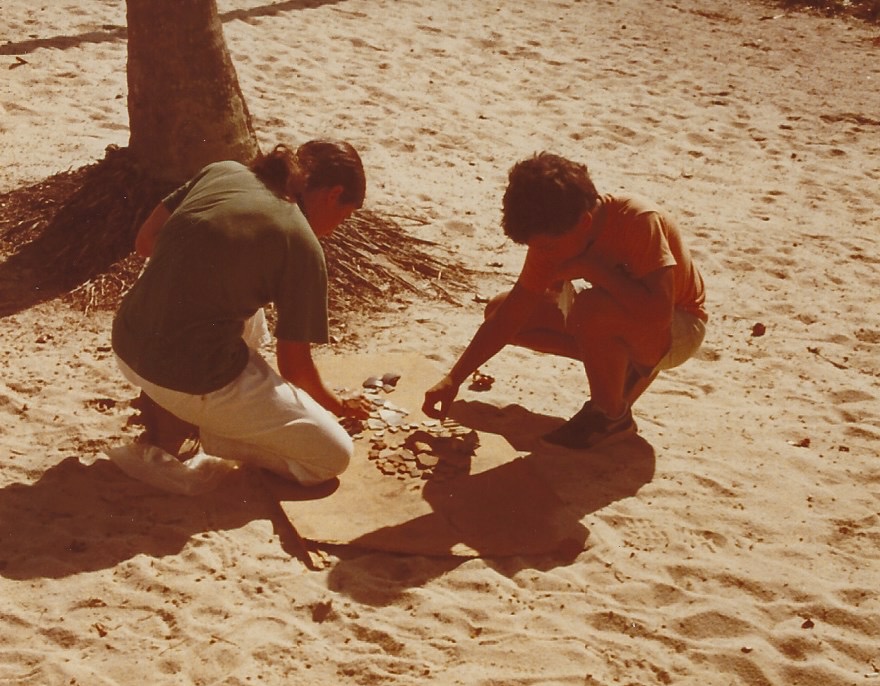
Once in a while, Ian would spend an hour or two, sorting and cleaning whatever the students brought back from the day’s dig. Neither one of us connected terribly well with the college kids, Ian being too young and me being too old. Ann was still involved with what’s his name and not available so we didn’t see much of any of them for the six weeks.
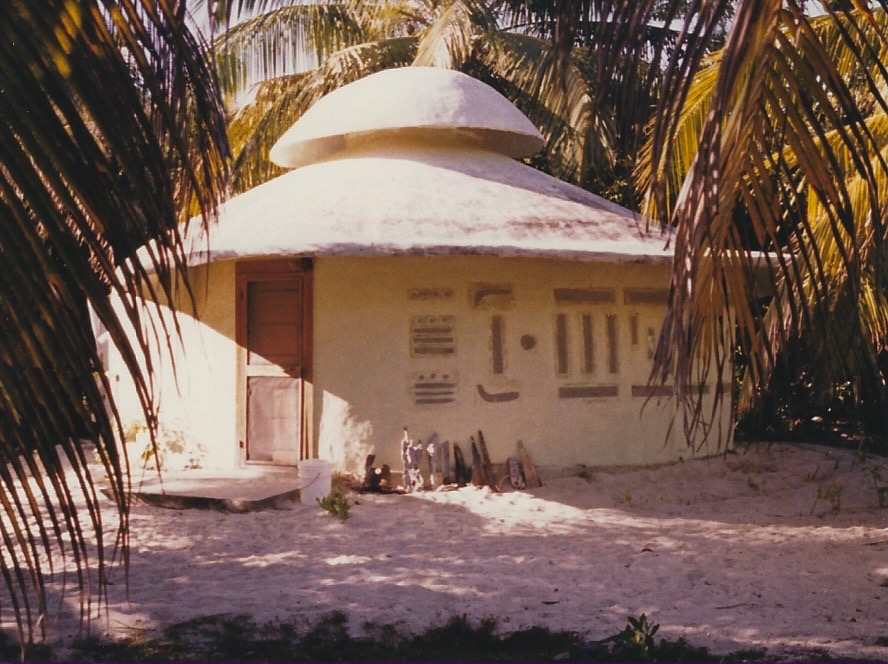

One day we went on a hike in the jungle along a path that paralleled the sea. There are things in that jungle that will kill you, in particular, panthers and large constrictors. We carried our knives on our belts. We walked for an hour or so and came upon several, ferro cement, dome buildings, painted white to defend against the heat. There were several of them clustered together making up what we guessed was a hotel. In the middle was an open air dining room, beautifully furnished in rattan and stained wood that spoke of taste and old money. We wandered in and announced our presence and shortly, an attractive, older woman, emerged from a back room and greeted us in English with a strong French accent. I told her we were staying in Placencia and were exploring the coast. Ian asked if we could purchase a couple of sodas. She said they weren’t open to the public but told us to sit at one of the tables, in the shade and that she’d see what they had.. She came back with two sodas with straws sticking out of the tops. She sat with us for a while, asking about our lives and talking of hers in Paris, where she had grown up. I felt a little like Captain Willard in the French Plantation scene. What was she doing in the middle of this jungle, so far from Paris and the life she had known? It was getting late in the day and we thanked her again, said goodbye and headed back.
Time passed quickly, even in this slowed down, remote village and our six weeks would be up shortly. Getting back was just as unsure as getting down had been and I thought it wise to leave early. We packed our few belongings and said our goodbyes to Momma and Lucy and John and the few students we’d gotten to know but skipped Ann and what’s his name. I’d heard of the fisherman who made himself available until 7:00 AM each morning for ferrying tourists and locals the short distance to the mainland. If you were there, he’d run you over. If not, too bad for you for today. Our alarm didn’t go off and we had to run for it, got there at 7:10 and he was gone. We stood at the dock for a while hoping someone else would be making the trip. Finally, an old man showed up and looked like he was taking a small boat out. I asked him if he was going to the mainland. He said he wasn’t, so I offered him $20 to ferry us over. He was still at no until I got to $50. Once on the mainland, we walked to Independence and to the mayor’s store. He wasn’t going to Belize City that day but his cousin was.
The mayor’s cousin had a flatbed truck that he used to run passengers through the jungle to their remote homes, on the way up to Belize City. He was coming through here, later that day, sometime. It was our only option so we once again, sat on our luggage, in a patch of dirt, waiting for someone, running on Belize Time, to show up. The mayor told me that this route would take much longer than the trip down here, because the road was much worse.
We were joined, in our dirt patch, by a very nice couple, Rick and Sandy, from San Diego. We had a lot of time to talk and they were good company. Just after sunset, the mayor’s cousin arrived with his flatbed. It had a canvas top supported by a framework of 4”x 4” timbers and five rows of bench seats. There were a number of folks on board in the front rows so the four of us sat on the two benches in the rear of the truck. The benches faced each other, Ian and I on the fourth bench looking backwards and Rick and Sandy and two locals sat on the last bench, facing us. There was a lantern tied to the roof framing that put all in high relief and dark shadows.
The two locals, on Rick and Sandy’s bench, didn’t understand English and I supposed they were speaking a Maya dialect. They looked like they had stepped out of a painting, short, maybe 5’5”, stocky at 160 to 170 pounds and could pick up a refrigerator. They were about my age but had the wrinkled, tough skin of men who had worked outdoors, all their lives. They carried machetes in their hands. I had heard of bandits in the jungle and supposed the weapons were for protection against them. Rick and I looked at each other for a moment or so. The two locals had brought a large bottle of tequila that they started on as soon as we got underway.
The flat bed followed a dirt road into the jungle, no wider than the truck itself. Often, tree branches scraped the sides of the canvas top. We crossed many small streams, the double rear tires of the truck splashing the water up onto the banks. The driver stopped at one point and got out to look ahead in the road. After a long wait, I got out too. We had come to a makeshift, wooden bridge crossing a deeper, wider stream. Our driver was trying to decide if we’d collapse the bridge or not. He seemed to decide and told us to get back onboard. We inched across the bridge and it held.
We traveled for hours more in pitch blackness, the only light being the headlights of the truck and the one lantern. Our two bench mates spent the time finishing off the tequila and were looking and acting very drunk. It started off slowly, the two of them watching Sandy, talking about her, gesturing with their hands, accompanied by laughter that was making Sandy and Rick and me, uncomfortable. Sandy was wearing a fashionable, cotton, dress, perhaps better suited for Coronado Beach than the jungle but here we were. The one nearest to her handed his machete to the other and grabbed her leg with both hands. The other one lifted up her skirt with his one free hand. The fear in Sandy’s eyes was easy to see and made surreal in the harsh light from the lantern. Rick stood up and yelled at them to knock it off, his Ray-Bans falling on his chest, held there by the cord around the back of his neck. I said to him, “Be cool, man. We’re in the jungle, they’re armed and we don’t know which side these folks are on.” I nodded toward the front benches. We helped Sandy pull her skirt down and Rick held it there with both hands. I grabbed the first one’s hands and pulled them off Sandy’s leg. With my hand, I flashed him a “knock it off” movement. He looked at me long and hard but returned to his seat on the bench. Rick changed places with Sandy on the bench putting himself between her and the two attackers. The truck rattled and shook and continued into the night.
I’d hoped that that was the end of it but our two drunken companions decided they had a taste for me next. They both tried to grab my crouch and I struggled to keep their hands off me. Rick shouted, “What the fuck, man!” I told him to be cool, that I’d handle it. It was another bizarre struggle, in the middle of the night, in the jungle, with a couple of determined, beefy, adversaries. It went on for a few long minutes until Ian jumped up, one hand on the roof frame to steady himself and the other balled into a fist. He yelled, “Let me hit him, Mick, let me hit him”. I felt a whisper of shame that an ten year old would stand up to these assholes while I still tried to keep a lid on things. It was replaced instantly by the deepest sense of pride and love. The closer one to Ian, turned and looked at him, a cruel smile starting across his face. I didn’t know what his intentions were but it was clear that my nephew had put himself in danger, to defend me. I think some people let anger well up inside them for a while until they are moved to act. There was no internal debate for me, no hesitation, it was tribal. You threaten one of mine at the risk of your life. I was amazed at how light his 165 pounds felt in my hands as he levitated off the bench and how loud the bang was when the side of his head hit the 4×4 framing of the roof. He collapsed in a pile at my feet, unconscious, probably concussive, but that was his problem. With my toe, I gently moved the machete away from his still hand and toward Ian, keeping my focus on the other one. I figured number two was going to be much more challenging and bloody and dangerous for all on that crowded, moving truck. I can count on one hand the number of people I’ve assaulted in my life but I’d learned it was best not to think ahead, just to do. Without forethought, I readied myself for combat. To my enormous relief, the other one sat perfectly still, looking straight ahead. His machete slid from his hand and clanked on the metal floor. I toed it away until it lay with the other one. Ian collected both of them and handed them to me. Rick looked at me a long while and finally said, “So, that’s being cool?”
The unconscious one came to about a half hour later, disoriented at first but after a brief chat with his friend, joined him on the bench, staring straight ahead. After a couple more hours of this, we reached their huts. There was no village, just a couple of bamboo and scrap metal homes. I didn’t understand what the one I had assaulted was saying to me but the fight was out of him and I took the chance and gave back the two machetes. The machetes probably represented half a weeks wages and were hard to come by way out here. The two of them slid out of the rear of the truck and the driver pulled back onto the dirt road we were following and into the inky blackness of the jungle.
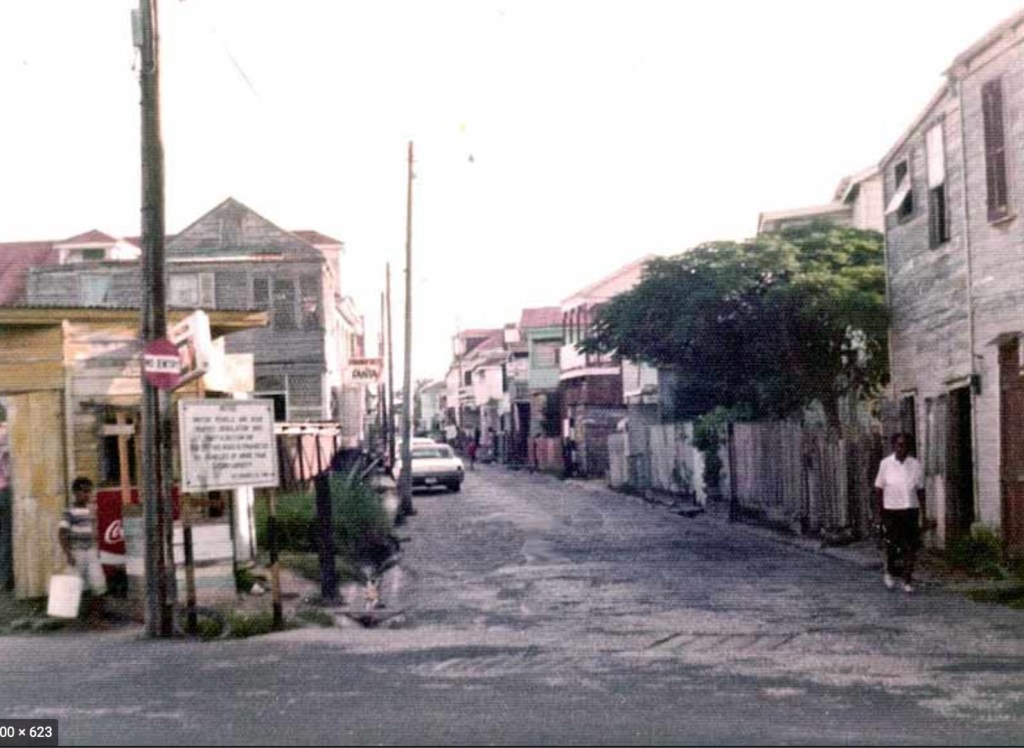
We arrived in Belize City at day break, back at Mother’s Bar, dead tired but overjoyed that we had 3 hours to spare before our flight. Rick and Sandy had another day to wait so we said goodbye to them and got in the same rust bucket taxi and it took us to the airport. I had a beer at 8:00 AM, in the terminal, that felt just right. The plane arrived on time, we got on it and in 12 hours, were back in New York City.


 Michael O'Meara
Leave a reply to Lori Sommer Cancel reply